Everest Base Camp Trek Difficulty, Accommodation, and (2026 / 2027 Guide)
- soleencounters
The Everest Base Camp trek is one of the most legendary trekking adventures on Earth. It is not just a walk to the foot of the world’s highest mountain, but a journey through Sherpa villages, alpine valleys, ancient monasteries, and dramatic Himalayan landscapes.
Table of Contents
This trek is often seen as challenging, and while that is true, it is also very achievable for normal, healthy people with the right preparation, expectations, and experienced support. In this detailed guide, we explain the real difficulty level, fitness and training needs, altitude realities, Lukla flight experience, safety considerations, and accommodation standards along the trail.
For full itinerary details and booking information, visit our official trip page:
👉 https://www.soleencounterstrek.com/trip/everest-base-camp-trek


Understanding the Real Difficulty of the Everest Base Camp Trek
The Everest Base Camp trek is rated as moderate to challenging, mainly because of altitude rather than technical difficulty. There is no climbing, no ropes, and no mountaineering skills required. The challenge comes from walking for multiple days at high elevation on uneven terrain.
Trek Duration and Daily Walking Hours
Most Everest Base Camp treks take 12 to 15 days, including acclimatization days. You will walk an average of 5 to 7 hours per day, covering roughly 10 to 15 kilometers. The pace is slow and relaxed, especially above Namche Bazaar, allowing your body to adapt gradually.
Trails include stone steps, forest paths, suspension bridges, and rocky alpine terrain. The route is well marked and used daily by trekkers and locals.
Altitude Is the Biggest Factor
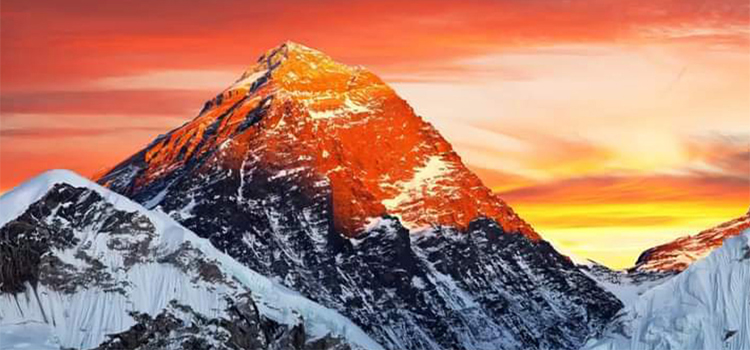
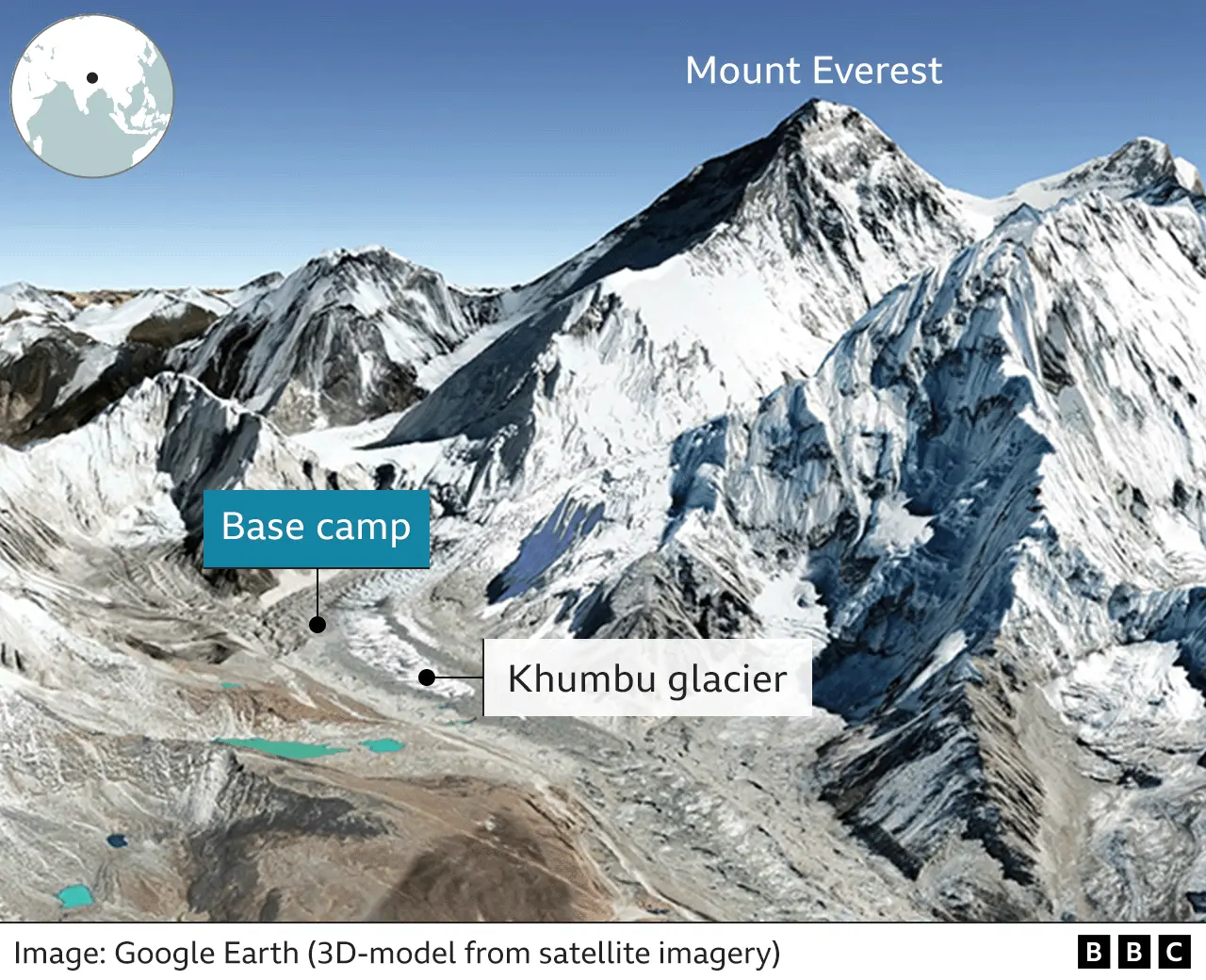
The trek reaches Everest Base Camp at 5,364 meters (17,598 feet), with an optional hike to Kala Patthar at 5,545 meters for sunrise views. Altitude affects everyone differently. Age, gender, and body weight do not determine who succeeds. Many fit people struggle with altitude, while others with average fitness do very well.
What matters most is:
-
Slow ascent
-
Proper acclimatization days
-
Hydration and nutrition
-
Listening to your body
At Sole Encounters Adventures, our itineraries are designed to prioritize safety and gradual altitude gain.
Fitness and Training: Can Normal People Do This Trek?
Yes, absolutely. You do not need to be an athlete or professional hiker to complete the Everest Base Camp trek.
Basic Fitness Is Enough With Preparation
If you are healthy and active in daily life, you can do this trek. Body weight does not matter as much as endurance and determination. Many of our trekkers are first timers with no previous high altitude experience.
We recommend starting preparation 8 to 12 weeks before your trip, focusing on:
-
Day hikes with a light daypack
-
Walking uphill and downhill on local trails or stairs
-
Treadmill walking with incline
-
Light jogging, cycling, or other cardio workouts
The goal is to get used to walking for several hours, not speed or strength training.
Hiking Experience and Mental Preparation
Some basic hiking experience is helpful, even short day hikes. Reading about the Everest Base Camp trek before coming to Nepal helps you understand the daily routine, accommodation standards, and difficulty level. Mental preparation plays a big role in enjoying the journey.
Before starting the trek, we provide a full briefing in Nepal, covering altitude safety, daily distances, and expectations.
The Lukla Flight: An Amazing and Unforgettable Experience


Flying Into and Out of Lukla
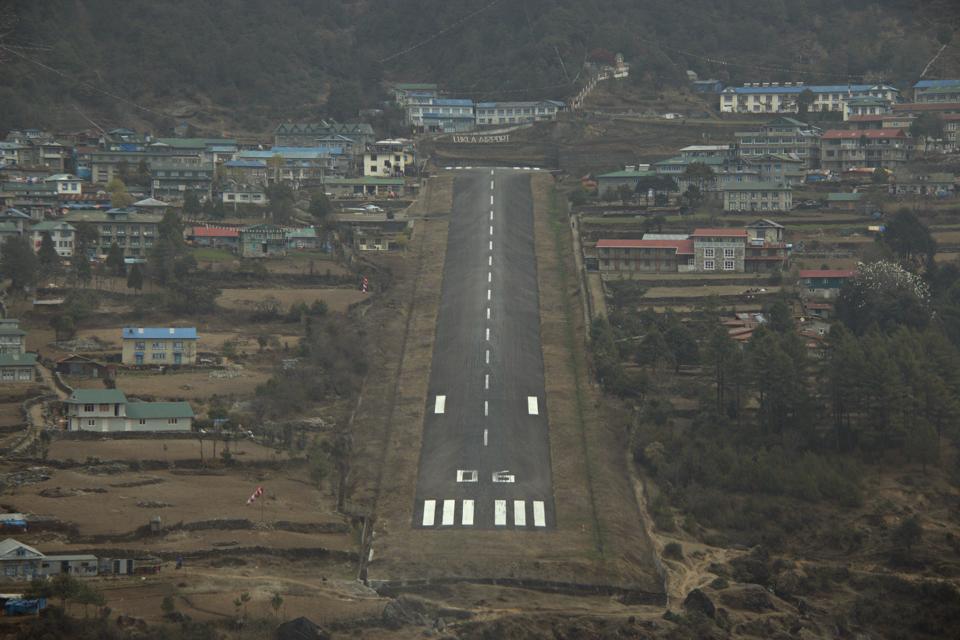
The flight to Lukla Airport is one of the most exciting parts of the Everest Base Camp trek. This short mountain flight offers stunning aerial views of hills, rivers, and Himalayan peaks and is often described as a once in a lifetime experience.
Landing at Lukla marks the official start of your trekking adventure. The return flight is equally special, giving you time to reflect on the journey as you fly out of the Khumbu region.
Safety and Weather Considerations
Lukla flights operate only in safe weather conditions with clear visibility. Delays and cancellations are common and are part of Himalayan travel. Safety is always the top priority.
We work with reliable domestic airlines and manage flight logistics carefully. If delays occur, our team assists with alternative planning and keeps you informed, ensuring peace of mind throughout the process.
Accommodation on the Everest Base Camp Trek
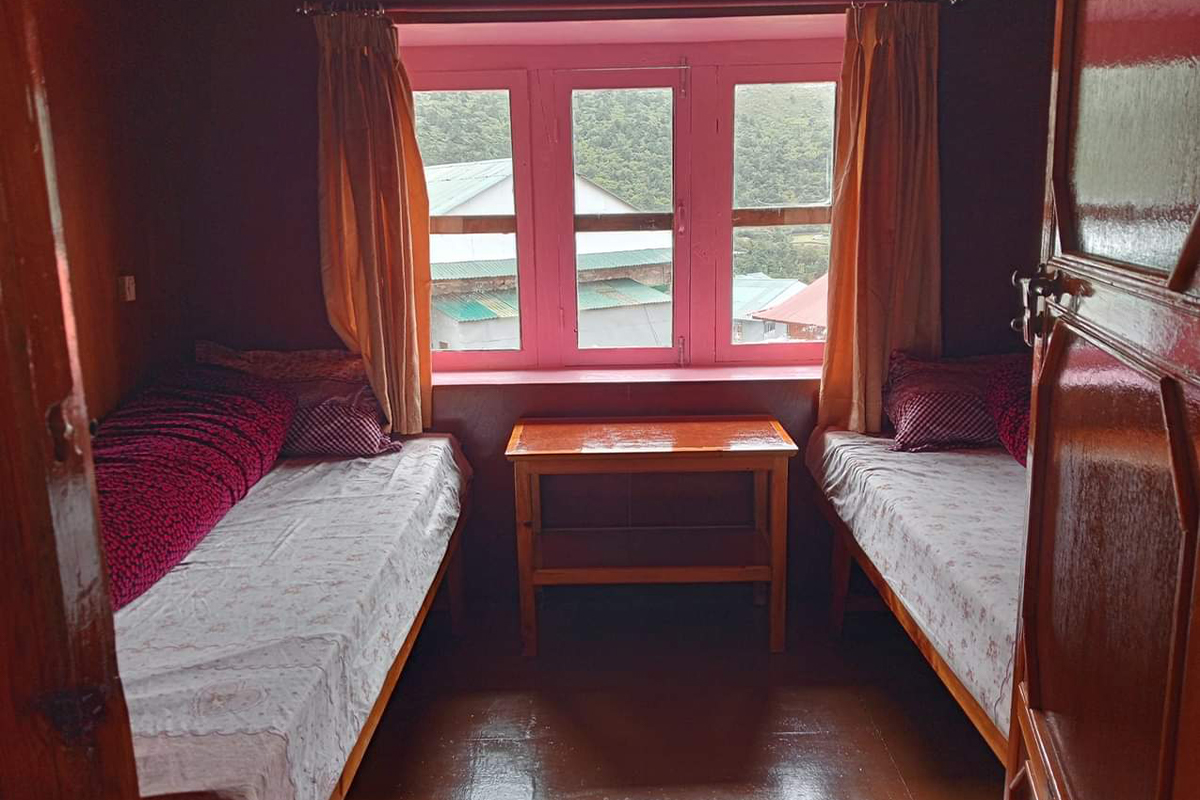


Traditional Sherpa Teahouses
Accommodation along the trail is in traditional Sherpa teahouses, which are family run mountain lodges. A typical teahouse room includes:
-
One room with two separate single beds
-
Clean sheets, mattress, and pillow
-
Shared bathrooms in most villages
These lodges are simple but warm and welcoming. As altitude increases, accommodation becomes more basic due to limited resources and colder temperatures. This is normal and expected in the high Himalayas.
Sleeping Bags and Comfort
Blankets are provided, but we strongly recommend carrying a good quality sleeping bag, especially above Namche Bazaar. Nights become colder at higher elevations, and a sleeping bag ensures better comfort and sleep quality.
Comfort Lodges and Room Upgrades
Up to Dingboche at 4,410 meters, more comfortable lodges with better facilities can be arranged at an additional cost, depending on availability. If you prefer upgraded accommodation, simply inform us in advance and we will arrange it wherever possible.
Meals, Charging, and WiFi
Teahouses offer hearty meals such as rice, dal, noodles, soups, pasta, and local dishes. Charging electronic devices and WiFi are widely available but usually cost extra, especially at higher altitudes where electricity is solar powered. Internet speed may vary based on location and weather.
Experienced Local Crew and Safety Support
Trekking with Sole Encounters Adventures means trekking with experienced local guides who know the Everest region, altitude conditions, weather patterns, and safety procedures very well. Our team monitors your health, walking pace, and acclimatization daily.
We believe strong local knowledge and careful planning are key to a safe and enjoyable Everest Base Camp trek.
Final Thoughts
The Everest Base Camp trek is challenging but realistic for anyone who prepares properly and has the right expectations. With gradual pacing, basic fitness training, proper acclimatization, and experienced local support, this trek becomes one of the most rewarding experiences of a lifetime.
Plan Your Everest Base Camp Trek With Sole Encounters Adventures
Join a trusted local company that focuses on safety, experience, and genuine Himalayan hospitality.
🔗 Trip Page:
https://www.soleencounterstrek.com/trip/everest-base-camp-trek
🌐 Website: https://www.soleencounterstrek.com
📧 Email: info@soleencounterstrek.com
📱 WhatsApp: +977 9808979061
Recent Posts
.jpg)
3rd Jul, 2025
.jpg)
4th Jul, 2025
.jpg)
4th Jul, 2025
.jpg)
7th Jul, 2025
.jpg)
8th Jul, 2025
.jpg)
8th Jul, 2025
.jpg)
8th Jul, 2025

10th Jul, 2025